

Automatic Driving Lessons Cost Guide: Why Paying Less Could Cost You More
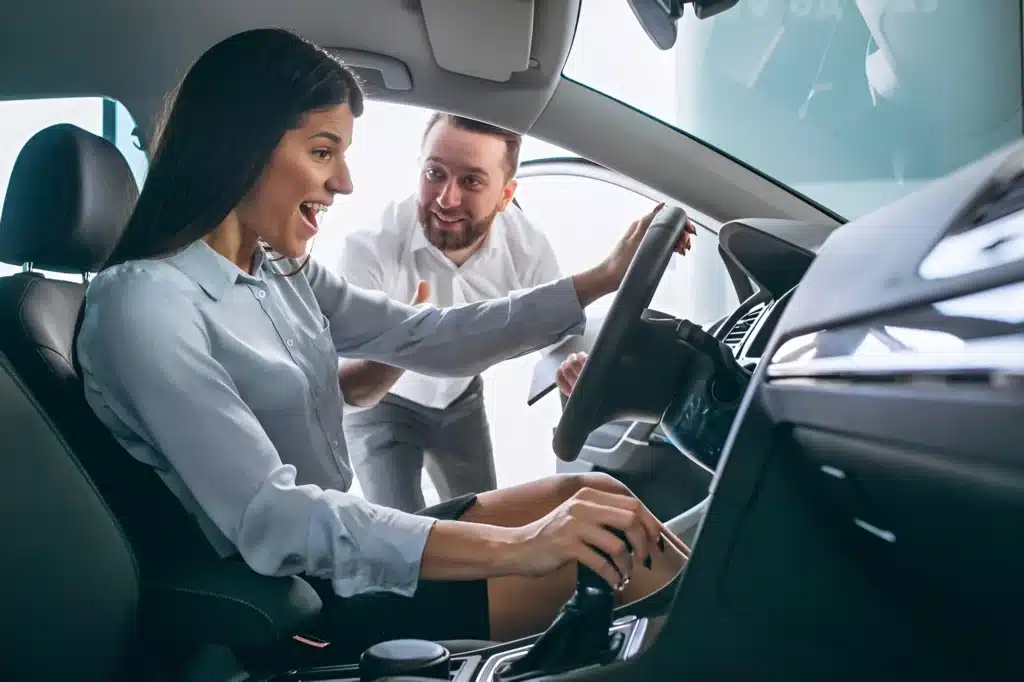
Choosing automatic driving lessons is no longer just about convenience. With more learners opting for automatic cars and an increasing number of electric vehicles on UK roads, demand for automatic tuition continues to rise. Yet one question remains at the centre of every learner’s decision: How much do automatic driving lessons cost? The problem is that many learners focus only on the hourly lesson price. They choose the cheapest instructor available, only to spend more money later because they need additional lessons, struggle to build confidence, or fail their practical driving test. Understanding what affects the overall automatic driving lessons cost can help you make a smarter investment and reach test standard more efficiently. Competitor Analysis Before writing this blog, the following competitors and industry resources were analysed to identify ranking opportunities and content gaps. AA Driving School – Provides pricing guidance and lesson packages but focuses primarily on averages rather than helping learners understand the factors that increase total learning costs. RED Driving School – Covers lesson pricing and introductory offers but gives limited advice on choosing value over price. Bill Plant Driving School – Explains lesson packages but lacks practical insights into how poor instructor selection can increase the overall cost of learning. DVSA (Driver and Vehicle Standards Agency) – Used as an authoritative source for driving test standards and learner expectations rather than pricing. This blog addresses those gaps by focusing on the hidden costs of choosing lessons based solely on price while providing practical advice that benefits both search engines and AI-generated answers. Why the Cheapest Automatic Driving Lessons Can Become the Most Expensive Many learners search for the lowest hourly rate without considering how lesson quality affects the number of hours required to pass. For example, paying £30 per lesson may initially seem cheaper than paying £40. However, if the lower-priced instructor requires you to take 15 additional lessons because of inconsistent teaching or poor lesson planning, your overall learning cost becomes significantly higher. Instead of asking, “How much does one lesson cost?”, ask, “How much will it cost me to pass?” A skilled instructor who structures lessons effectively often helps learners become test-ready sooner, reducing both time and overall expenditure. What Is the Average Automatic Driving Lessons Cost in the UK? The average automatic driving lessons cost varies depending on your location, instructor experience, and lesson type. Typical prices include: Single automatic driving lesson: £35 to £50 Two-hour lesson: £70 to £100 Intensive driving course: Varies depending on hours required Block booking discounts: Often reduce the hourly rate Areas with higher demand, including larger towns and cities, generally have higher lesson prices than smaller rural locations. What Actually Affects the Total Cost of Learning to Drive? Many learners assume the hourly rate determines the overall expense. In reality, several factors influence how much you’ll spend before passing your driving test. Instructor Experience Experienced instructors quickly identify weaknesses and adapt lessons to suit your learning style. This often reduces unnecessary lesson hours. Your Learning Pace Every learner progresses differently. Some people are ready after fewer lessons, while others require additional practice to develop safe driving habits. Lesson Frequency Taking lessons regularly helps retain knowledge and improves confidence behind the wheel. Long gaps between lessons often increase the number of sessions required. Practice Outside Lessons Learners who practise between professional lessons with a qualified supervising driver usually progress faster, reducing their overall learning costs. Are Block Bookings Really Better Value? Many driving schools offer discounted lesson packages, but lower prices should never be the only deciding factor. A block booking offers good value if: You are confident you’ll continue learning with the same instructor. The instructor has positive reviews and proven pass rates. Lessons follow a structured learning plan. Flexible scheduling is available. Clear cancellation policies are provided. The cheapest package is only worthwhile if it helps you reach test standard efficiently. Should You Choose Weekly Lessons or an Intensive Driving Course? Many learners compare automatic driving lessons with an intensive driving course purely on price. The better option depends on your experience and availability. Weekly lessons allow gradual skill development and suit complete beginners who prefer learning at a steady pace. Intensive courses can reduce the overall learning period but require consistent concentration and are generally better suited to learners who already possess some driving experience. The right choice depends on your confidence, schedule, and previous driving knowledge rather than the advertised course price. Does Paying More Mean You’ll Pass Faster? Is a more expensive driving instructor worth it? Not necessarily. A higher lesson price does not automatically guarantee better teaching. However, an experienced DVSA-approved instructor who delivers structured lessons, clear feedback, and personalised coaching often helps learners require fewer lessons overall, making the total learning cost lower despite a higher hourly rate. Hidden Costs That Many Learners Forget When budgeting for learning to drive, remember that lesson prices are only part of the overall expense. Additional costs may include: Driving theory test fees Practical driving test fees Extra lessons after a failed test Refresher lessons if there is a long gap before your test Travel costs if your instructor does not cover your local area Planning for these expenses helps prevent unexpected financial surprises. How to Choose the Right Driving School Instead of the Cheapest One Rather than comparing lesson prices alone, consider the complete learning experience. Look for: DVSA-approved instructors. Positive learner reviews. Structured lesson plans. Flexible lesson availability. Transparent pricing with no hidden charges. High first-time pass rates where available. A reliable driving school helps you gain confidence, develop safe driving habits, and become test-ready without unnecessary lessons. Conclusion Understanding the true automatic driving lessons cost involves much more than comparing hourly rates. The cheapest lesson is not always the most economical choice if poor instruction leads to additional lessons, repeated tests, or reduced confidence behind the wheel. Investing in a qualified instructor, following a structured learning plan, and choosing lessons that suit your individual needs often leads to faster progress


