

Common Driving Test Mistakes That Cause Learners to Fail (And How to Avoid Them)

Passing your driving test isn’t only about knowing how to control a car. Many learners fail because of small mistakes made under pressure rather than a lack of driving ability. A momentary lapse in observation, poor judgement at a roundabout, or hesitation at a junction can quickly turn an otherwise good drive into an unsuccessful test. If you’re preparing for your practical test, understanding the common driving test mistakes can significantly improve your chances of passing first time. The good news is that most of these faults are preventable with the right preparation, consistent practice, and guidance from a qualified instructor. Competitor Analysis Before creating this blog, leading UK driving resources were analysed to identify content gaps and ranking opportunities. DVSA (Driver and Vehicle Standards Agency) – Used because it provides official guidance on driving test standards and the most common reasons learners fail. AA Driving School – Covers driving test tips but focuses mainly on general advice rather than explaining why mistakes happen under test pressure. RED Driving School – Discusses driving faults but provides limited practical strategies for preventing repeated errors. Bill Plant Driving School – Offers learner guidance but places less emphasis on the psychological factors that influence driving test performance. This blog improves upon those resources by explaining why learners make mistakes, how exam nerves contribute to them, and the practical steps to prevent them. Why Good Drivers Still Fail Their Driving Test One of the biggest misconceptions is that failing a driving test means you’re a poor driver. In reality, many capable learners fail because anxiety affects their concentration and decision-making. During lessons, your instructor may prompt you or help you recover from minor mistakes. During the practical test, you’re expected to make safe and independent decisions without assistance. Even experienced learners can forget simple routines when nerves take over. The key is not becoming a perfect driver. It is becoming a consistently safe one. Failing to Make Effective Observations Observation remains one of the most common reasons learners fail. Examiners expect you to check mirrors regularly, look over your shoulder before moving off, and remain fully aware of other road users throughout the drive. Common observation mistakes include: Forgetting blind spot checks before moving away. Missing cyclists or pedestrians. Not checking mirrors before changing speed or direction. Looking without properly assessing potential hazards. Developing consistent observation habits during every lesson makes them automatic on test day. Poor Junction and Roundabout Decisions Many learners lose confidence when approaching busy junctions and roundabouts. Some pull out too early, creating unnecessary risk, while others hesitate repeatedly despite having safe opportunities to proceed. Both situations can result in driving faults or serious faults depending on the circumstances. Instead of rushing decisions, focus on reading traffic well in advance, reducing speed appropriately, and committing confidently once a safe gap appears. Practising different junction types in various traffic conditions helps build better judgement before the practical test. Losing Concentration After One Mistake A common reason learners fail is not the first mistake itself but what happens afterwards. Many candidates assume they have already failed after making one small error. Their confidence drops, concentration disappears, and additional mistakes quickly follow. Remember that minor driving faults do not automatically result in failure. The examiner is assessing your overall safety throughout the drive. Treat every new road as a fresh opportunity to demonstrate safe driving. Incorrect Speed Management Driving too fast is an obvious concern, but driving unnecessarily slowly can also affect your result. Travelling well below the speed limit without a valid reason may interrupt traffic flow and suggest a lack of confidence. Good speed management means: Driving at an appropriate speed for the road. Adjusting for weather and traffic conditions. Maintaining safe following distances. Avoiding harsh acceleration and braking. Confidence and control are far more important than simply matching the speed limit. Weak Manoeuvre Preparation Parallel parking, bay parking, and pulling up on the right often create unnecessary anxiety. Many learners rush the manoeuvre because they feel the examiner is watching every movement. In reality, the examiner is assessing safety rather than speed. Take your time, complete effective observations, and remember that making reasonable adjustments during the manoeuvre is perfectly acceptable if it improves safety. Can Driving Test Nerves Cause You to Fail? Do nerves affect driving test performance? Yes. Driving test nerves can reduce concentration, affect judgement, and cause learners to forget routines they perform confidently during lessons. Building familiarity with test routes, practising mock driving tests, and developing consistent driving habits can reduce anxiety and improve overall performance on test day. How to Reduce Your Chances of Making Driving Test Mistakes Success comes from preparation rather than luck. To improve your chances of passing: Take regular lessons instead of long breaks between sessions. Practise in different weather and traffic conditions. Complete several mock driving tests. Ask your instructor to focus on your weakest skills. Learn from mistakes rather than becoming frustrated by them. Consistent practice builds confidence, and confident drivers make better decisions under pressure. Conclusion Most common driving test mistakes happen because learners allow nerves, poor preparation, or inconsistent routines to influence their decisions. Fortunately, these mistakes are entirely avoidable with structured lessons, regular practice, and the right mindset. Rather than aiming for a perfect drive, focus on demonstrating safe, confident, and responsible driving throughout your test. Every lesson is an opportunity to strengthen your weaknesses before test day arrives. With proper preparation and guidance, you’ll give yourself the best possible chance of achieving a first-time pass. Frequently Asked Questions What is the most common reason people fail a driving test? Poor observations at junctions, incorrect mirror checks, and inadequate awareness of other road users remain among the most common reasons learners fail their practical driving test. Can you pass your driving test with minor mistakes? Yes. Minor driving faults do not automatically result in failure. You can still pass if the faults are not repeated excessively and do not compromise safety. How many serious faults are
Automatic Driving Lessons Cost Guide: Why Paying Less Could Cost You More

Choosing automatic driving lessons is no longer just about convenience. With more learners opting for automatic cars and an increasing number of electric vehicles on UK roads, demand for automatic tuition continues to rise. Yet one question remains at the centre of every learner’s decision: How much do automatic driving lessons cost? The problem is that many learners focus only on the hourly lesson price. They choose the cheapest instructor available, only to spend more money later because they need additional lessons, struggle to build confidence, or fail their practical driving test. Understanding what affects the overall automatic driving lessons cost can help you make a smarter investment and reach test standard more efficiently. Competitor Analysis Before writing this blog, the following competitors and industry resources were analysed to identify ranking opportunities and content gaps. AA Driving School – Provides pricing guidance and lesson packages but focuses primarily on averages rather than helping learners understand the factors that increase total learning costs. RED Driving School – Covers lesson pricing and introductory offers but gives limited advice on choosing value over price. Bill Plant Driving School – Explains lesson packages but lacks practical insights into how poor instructor selection can increase the overall cost of learning. DVSA (Driver and Vehicle Standards Agency) – Used as an authoritative source for driving test standards and learner expectations rather than pricing. This blog addresses those gaps by focusing on the hidden costs of choosing lessons based solely on price while providing practical advice that benefits both search engines and AI-generated answers. Why the Cheapest Automatic Driving Lessons Can Become the Most Expensive Many learners search for the lowest hourly rate without considering how lesson quality affects the number of hours required to pass. For example, paying £30 per lesson may initially seem cheaper than paying £40. However, if the lower-priced instructor requires you to take 15 additional lessons because of inconsistent teaching or poor lesson planning, your overall learning cost becomes significantly higher. Instead of asking, “How much does one lesson cost?”, ask, “How much will it cost me to pass?” A skilled instructor who structures lessons effectively often helps learners become test-ready sooner, reducing both time and overall expenditure. What Is the Average Automatic Driving Lessons Cost in the UK? The average automatic driving lessons cost varies depending on your location, instructor experience, and lesson type. Typical prices include: Single automatic driving lesson: £35 to £50 Two-hour lesson: £70 to £100 Intensive driving course: Varies depending on hours required Block booking discounts: Often reduce the hourly rate Areas with higher demand, including larger towns and cities, generally have higher lesson prices than smaller rural locations. What Actually Affects the Total Cost of Learning to Drive? Many learners assume the hourly rate determines the overall expense. In reality, several factors influence how much you’ll spend before passing your driving test. Instructor Experience Experienced instructors quickly identify weaknesses and adapt lessons to suit your learning style. This often reduces unnecessary lesson hours. Your Learning Pace Every learner progresses differently. Some people are ready after fewer lessons, while others require additional practice to develop safe driving habits. Lesson Frequency Taking lessons regularly helps retain knowledge and improves confidence behind the wheel. Long gaps between lessons often increase the number of sessions required. Practice Outside Lessons Learners who practise between professional lessons with a qualified supervising driver usually progress faster, reducing their overall learning costs. Are Block Bookings Really Better Value? Many driving schools offer discounted lesson packages, but lower prices should never be the only deciding factor. A block booking offers good value if: You are confident you’ll continue learning with the same instructor. The instructor has positive reviews and proven pass rates. Lessons follow a structured learning plan. Flexible scheduling is available. Clear cancellation policies are provided. The cheapest package is only worthwhile if it helps you reach test standard efficiently. Should You Choose Weekly Lessons or an Intensive Driving Course? Many learners compare automatic driving lessons with an intensive driving course purely on price. The better option depends on your experience and availability. Weekly lessons allow gradual skill development and suit complete beginners who prefer learning at a steady pace. Intensive courses can reduce the overall learning period but require consistent concentration and are generally better suited to learners who already possess some driving experience. The right choice depends on your confidence, schedule, and previous driving knowledge rather than the advertised course price. Does Paying More Mean You’ll Pass Faster? Is a more expensive driving instructor worth it? Not necessarily. A higher lesson price does not automatically guarantee better teaching. However, an experienced DVSA-approved instructor who delivers structured lessons, clear feedback, and personalised coaching often helps learners require fewer lessons overall, making the total learning cost lower despite a higher hourly rate. Hidden Costs That Many Learners Forget When budgeting for learning to drive, remember that lesson prices are only part of the overall expense. Additional costs may include: Driving theory test fees Practical driving test fees Extra lessons after a failed test Refresher lessons if there is a long gap before your test Travel costs if your instructor does not cover your local area Planning for these expenses helps prevent unexpected financial surprises. How to Choose the Right Driving School Instead of the Cheapest One Rather than comparing lesson prices alone, consider the complete learning experience. Look for: DVSA-approved instructors. Positive learner reviews. Structured lesson plans. Flexible lesson availability. Transparent pricing with no hidden charges. High first-time pass rates where available. A reliable driving school helps you gain confidence, develop safe driving habits, and become test-ready without unnecessary lessons. Conclusion Understanding the true automatic driving lessons cost involves much more than comparing hourly rates. The cheapest lesson is not always the most economical choice if poor instruction leads to additional lessons, repeated tests, or reduced confidence behind the wheel. Investing in a qualified instructor, following a structured learning plan, and choosing lessons that suit your individual needs often leads to faster progress
How to Pass Your Driving Test First Time: Avoid the Mistakes That Hold Most Learners Back
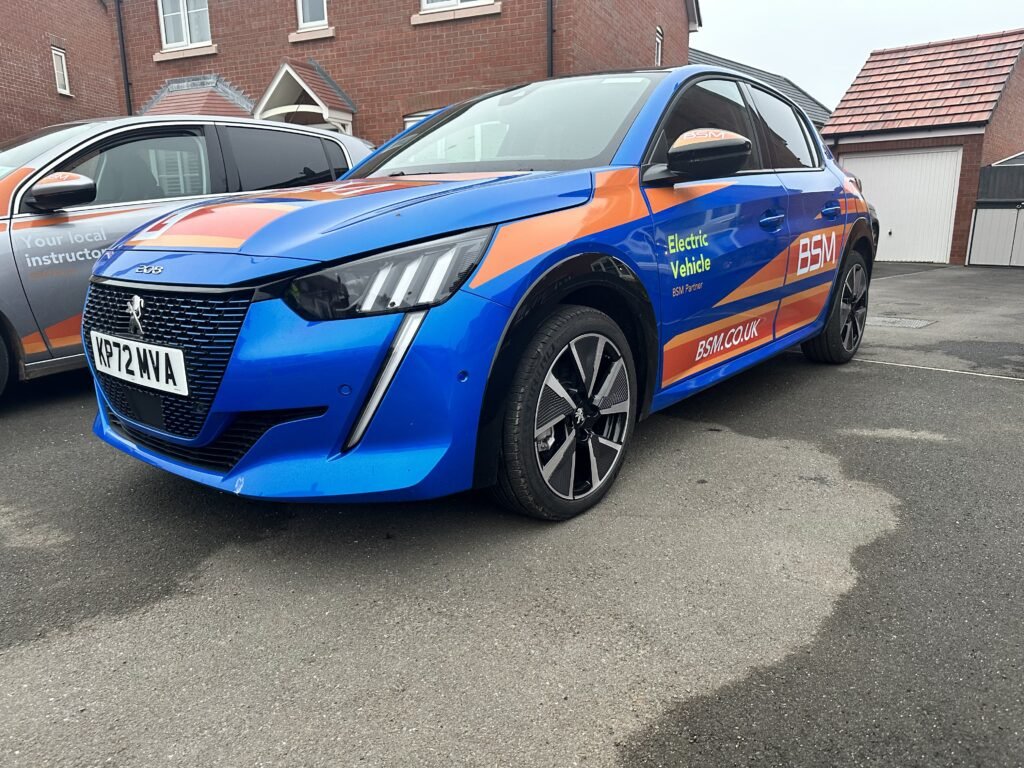
For many learner drivers, the practical driving test feels like the final hurdle between them and the freedom of driving independently. Yet thousands of learners across the UK fail their first attempt every year, often because of mistakes that could have been avoided with the right preparation. If you are searching for how to pass your driving test first time, you are probably looking for more than a list of driving tips. You want to know what actually helps learners succeed and what prevents them from achieving a first-time pass. At Drive With Issy, we believe passing your driving test starts long before the examiner gets into the car. It begins with building safe driving habits, gaining confidence on different road types, and learning how to stay calm under pressure. Here are the most common problems learners face and how you can avoid them. Stop Focusing on the Test Date and Start Focusing on Test Readiness One of the biggest mistakes learners make is rushing to book a driving test because they have found an available appointment. Having a test date does not mean you are ready to pass. Many learners take their practical test before they can drive consistently without help from their instructor. This often leads to: Failing the test Paying another test fee Waiting longer for another appointment Losing confidence behind the wheel Instead of asking, “When can I take my test?”, ask yourself, “Can I drive safely without being prompted?” An experienced driving instructor will always tell you honestly when you are ready. Most Driving Test Failures Are Caused by Small Mistakes Many learners assume they fail because they cannot drive. In reality, most failures happen because of repeated minor errors that become serious faults. Some of the most common reasons learners fail in the UK include: Not checking mirrors before changing speed or direction Poor observation at junctions Incorrect positioning at roundabouts Hesitating when it is safe to move Driving too quickly for road conditions Failing to plan ahead These mistakes usually happen because learners panic or lose concentration rather than because they lack driving ability. Confidence Is More Important Than Trying to Drive Perfectly Many learners believe they must complete a perfect drive to pass. That simply is not true. DVSA examiners expect learners to make small driving faults. Minor mistakes are acceptable provided they do not affect safety. Examiners are looking for someone who can: Drive safely and responsibly Make sensible decisions Stay aware of other road users Respond calmly to changing traffic conditions Drive independently without constant guidance Trying too hard to be perfect often makes learners more nervous. Confident and controlled driving usually leads to better results. Practise Different Road Types Instead of the Same Familiar Routes Some learners only drive on roads they already know. While this can improve confidence initially, it does not prepare you for unexpected situations during your practical test. Your driving lessons should include experience on: Residential streets Busy town centres Roundabouts Dual carriageways Country roads Different speed limits Challenging junctions For learners preparing for their practical test in Warwick, Leamington Spa and the surrounding areas, practising on a variety of local roads helps build confidence and reduces surprises on test day. Mock Driving Tests Highlight Weaknesses Before the Real Test A mock driving test is one of the best ways to improve your chances of passing first time. It recreates the pressure of the real driving test while allowing your instructor to identify areas that still need improvement. A mock test can reveal: Observation mistakes Poor manoeuvres Problems with independent driving Weak hazard awareness Habits you may not even realise you have Correcting these issues before your actual test gives you a much stronger chance of success. Do Not Let Driving Test Nerves Control Your Decisions Even skilled learner drivers can struggle if anxiety takes over. Driving test nerves often lead to: Forgetting mirror checks Rushing at junctions Making unnecessary decisions Losing concentration after one small mistake Hesitating when it is safe to proceed The best way to manage nerves is through preparation. The more experience you gain in different driving situations, the more confident you become when faced with similar conditions during your test. Remember that one small mistake does not automatically mean you have failed. Stay focused until the examiner tells you the test has ended. Build Safe Driving Habits Instead of Memorising Test Routes Many learners search online for local driving test routes hoping they can memorise every road. Unfortunately, this approach rarely works. Driving test routes can change at any time. Instead of relying on memorisation, focus on habits that will help you wherever you drive. These include: Checking mirrors regularly Looking well ahead Reading road signs early Maintaining safe following distances Choosing the correct speed for the conditions Planning ahead rather than reacting at the last moment These habits will help you not only pass your test but also become a safer driver for years to come. Choose a Driving Instructor Who Builds Confidence, Not Just Test Skills The quality of your driving lessons has a huge impact on your chances of passing first time. A good instructor should do more than teach manoeuvres. They should help you: Understand why mistakes happen Improve your decision making Build confidence gradually Practise realistic driving situations Become an independent and responsible driver At Drive With Issy, every lesson is designed to help learners feel confident behind the wheel while developing the skills needed for everyday driving after passing the test. Conclusion Passing your driving test first time is not about luck or finding shortcuts. It comes from learning with the right instructor, practising consistently, and building the confidence to make safe decisions in real driving situations. If you are serious about giving yourself the best possible chance of passing, choose lessons that prepare you for more than just the practical test. At Drive With Issy, we provide supportive automatic driving lessons across Warwick, Leamington Spa and nearby areas, helping learners become confident,
Can You Pass Your Driving Test in One Week? The Truth Most Intensive Driving Courses Do Not Tell You
The idea of passing your driving test in just one week sounds incredibly appealing. Whether you need a licence for work, university, or personal independence, an intensive driving course can seem like the fastest route to success. But here is the question many learners ask: Can you really pass your driving test in one week? The honest answer is yes, but only if you are genuinely ready. Unfortunately, many learners book intensive driving courses believing they guarantee a pass. When expectations do not match reality, they end up feeling disappointed, spending more money, and needing additional lessons. At Drive With Issy, we believe learners deserve honest advice before committing to an intensive course. Passing quickly is possible, but only when the course matches your experience, confidence and ability. The Biggest Mistake Is Thinking Intensive Means Easy One of the biggest misconceptions about intensive driving courses is that they make learning easier. They do not. They simply compress weeks or months of learning into a much shorter period. During an intensive course, you are expected to absorb a large amount of information every day, including: Road positioning Roundabouts Junctions Manoeuvres Independent driving Hazard awareness Test preparation If you are starting with no driving experience, this can feel overwhelming. An intensive course is fast paced, not effortless. One Week Is Not Enough for Every Learner Every learner develops driving skills at a different speed. Some people quickly gain confidence and adapt to new situations. Others need more time to: Build road awareness Improve decision making Handle busy traffic Develop confidence behind the wheel Trying to rush this process can create unnecessary pressure. Learning to drive safely should always be more important than learning quickly. Intensive Courses Work Best for Learners Who Already Have Experience Many people assume intensive courses are designed only for complete beginners. In reality, they are often most effective for learners who have already completed some driving lessons. For example, an intensive course can be ideal if you: Have recently stopped learning and want to finish quickly Have already passed your theory test Need to refresh existing driving skills Feel confident with basic vehicle control Need structured preparation before your practical test If you have never driven before, you may benefit from a few regular lessons before starting an intensive programme. Confidence Is Often the Deciding Factor Many learners have the driving ability to pass but struggle because of nerves. Learning for several hours every day can be mentally demanding. If you already feel anxious during normal driving lessons, an intensive schedule may increase that pressure. A good instructor will recognise when you need extra support rather than simply pushing through more hours. Confidence is built through quality practice, not just longer lessons. Automatic Intensive Driving Courses Can Reduce the Learning Pressure For many learners, manual driving adds unnecessary complexity. Managing gears, clutch control and hill starts while learning road awareness can slow progress. Automatic driving lessons remove these additional tasks, allowing learners to focus on: Safe observations Road positioning Hazard perception Decision making Traffic awareness Many learners find they gain confidence more quickly in an automatic vehicle, making an intensive course more manageable. Booking a Driving Test Does Not Guarantee You Will Be Ready One common mistake is booking an intensive course simply because a practical driving test is available. A test date should never determine your readiness. Instead, ask yourself: Can I drive independently? Do I remain calm in busy traffic? Am I confident at roundabouts? Can I complete manoeuvres without prompts? Do I consistently make safe decisions? If the answer is no, additional preparation is usually a better investment than rushing into the test. Choosing the Right Intensive Course Matters Not all intensive driving courses are the same. Some providers focus only on completing lesson hours as quickly as possible. A quality course should include: A realistic assessment of your ability A personalised learning plan Practice on different road types Mock driving tests Honest feedback on your progress Preparation for real driving, not just the practical test At Drive With Issy, we believe an intensive course should help learners become confident and safe drivers, not simply prepare them to scrape through the driving test. Is an Intensive Course Right for You? An intensive driving course may be the right choice if you: Learn well in focused sessions Already have some driving experience Need your licence for work or education Can dedicate uninterrupted time to learning Feel comfortable learning at a faster pace If you feel nervous, lack confidence or have never driven before, a combination of regular lessons followed by an intensive course may produce better long-term results. Choosing the right learning approach is far more important than choosing the quickest one. Conclusion So, can you pass your driving test in one week? Yes, but only if your current ability, confidence and preparation make it realistic. Intensive driving courses are designed to accelerate learning, not replace it. Success still depends on receiving quality instruction, practising consistently and developing safe driving habits. If you are considering an intensive driving course, speak to an instructor who will assess your experience honestly rather than making unrealistic promises. At Drive With Issy, we provide tailored automatic intensive driving courses across Warwick, Leamington Spa and the surrounding areas, helping learners choose the right course for their ability and maximise their chances of passing with confidence. Frequently Asked Questions Can a complete beginner pass a driving test in one week? It is possible for some learners, but it is not realistic for everyone. Progress depends on your confidence, previous experience, learning ability and commitment during the course. Are intensive driving courses worth it? They can be an excellent option for learners who are ready for concentrated learning and want to gain their licence in a shorter timeframe. Is an automatic intensive course easier than a manual one? Many learners find automatic intensive courses easier because they do not need to manage gears or clutch control, allowing them to focus on road
Is Automatic Easier Than Manual? The Real Reason So Many Learners Struggle to Pass
Choosing between automatic and manual driving lessons is one of the first decisions every learner has to make. Unfortunately, many people make that decision based on myths, advice from friends, or outdated opinions rather than what suits their learning style. A common question is, “Is automatic easier than manual?” The simple answer is yes, but not for the reasons many people think. Automatic cars remove some of the technical challenges of learning to drive, but they do not remove the need to become a safe, confident driver. If you choose automatic lessons expecting an easy pass without proper preparation, you could still struggle on your practical driving test. At Drive With Issy, we often meet learners who have spent months feeling frustrated in manual cars before switching to automatic. For many, that decision transforms their confidence and helps them make real progress. The Biggest Problem Is Not the Car. It Is Information Overload Learning to drive for the first time is already demanding. You need to: Watch the road ahead Check mirrors regularly Read road signs Judge speed Position the car correctly Observe other road users Make safe decisions Now imagine trying to do all of that while also changing gears, finding the clutch biting point and avoiding stalling. For many learners, especially nervous beginners, this creates too much to think about at once. Instead of focusing on road awareness, they spend most of their lesson worrying about the gearbox. That slows progress and often damages confidence. Manual Cars Can Delay Confidence for Some Learners There is nothing wrong with learning in a manual car if it suits your driving style. However, many learners become frustrated because they repeatedly experience: Stalling at junctions Rolling backwards on hills Missing gear changes Clutch control problems Difficulty in slow-moving traffic These issues are common, but they can leave learners feeling like they are poor drivers when, in reality, they are simply struggling with vehicle control. As confidence drops, mistakes increase. Eventually, some learners stop enjoying driving altogether. Automatic Lessons Let You Focus on Driving, Not the Gearbox One of the biggest advantages of automatic driving lessons is that they remove unnecessary distractions. Without worrying about clutch control or changing gears, learners can focus on what really matters: Planning ahead Reading road signs Using mirrors correctly Maintaining safe road positioning Improving hazard awareness Building confidence in busy traffic These are the skills that DVSA examiners assess during the practical driving test. Removing the gearbox often allows learners to improve these skills much more quickly. Easier Does Not Mean Effortless One misconception is that automatic driving lessons guarantee a first-time pass. They do not. You still need to: Drive safely Follow the Highway Code Complete manoeuvres correctly Make good decisions Stay calm under pressure Many learners fail automatic driving tests for exactly the same reasons as manual learners. Common faults include: Poor observation Incorrect mirror checks Hesitation Inappropriate speed Weak planning at junctions Automatic makes learning simpler, but it does not replace good instruction or consistent practice. Nervous Drivers Often Progress Faster in Automatic Cars One of the biggest reasons learners choose automatic lessons is anxiety. Some learners become overwhelmed every time they approach: Roundabouts Busy junctions Hill starts Stop-start traffic Multi-lane roads When they also have to think about gears and clutch control, their confidence quickly disappears. Automatic cars remove much of this pressure, allowing learners to concentrate on staying calm and making safe decisions. For many nervous learners, this creates a much more enjoyable learning experience. Automatic Is Becoming More Relevant Across the UK The way people drive is changing. With more hybrid and electric vehicles on UK roads, automatic transmissions are becoming increasingly common. Many learners now choose automatic because they expect to drive automatic vehicles after passing their test. Rather than spending months mastering manual gears they may never use again, they focus on becoming safe, confident drivers in the type of vehicle they are most likely to own. Which Option Is Right for You? There is no universal answer. Manual may be suitable if you: Want maximum licence flexibility Expect to drive manual vehicles regularly Feel comfortable learning clutch control Automatic may be a better choice if you: Feel anxious while learning Have struggled with manual lessons Want to focus on road awareness Need confidence more than complexity Plan to drive an automatic vehicle after passing The best choice is the one that helps you become a safe driver, not the one someone else recommends. Learn in the Right Environment Your instructor has just as much influence on your success as the type of car you drive. A supportive instructor should help you: Build confidence gradually Understand your mistakes Practise realistic driving situations Develop safe driving habits Prepare for independent driving after passing your test At Drive With Issy, our automatic driving lessons are designed to reduce pressure, build confidence and help learners progress at a pace that suits them. Whether you are a complete beginner or switching from manual lessons, our goal is to help you become a safe and confident driver for life. Conclusion So, is automatic easier than manual? For many learners, the answer is yes because it removes one of the biggest barriers to learning. Without the added pressure of clutch control and gear changes, you can focus on developing the driving skills that really matter. If manual lessons are leaving you feeling frustrated or lacking confidence, switching to automatic could be the change that helps you move forward. At Drive With Issy, we provide supportive automatic driving lessons across Warwick, Leamington Spa and the surrounding areas, helping learners gain confidence, prepare for their practical test and become safe drivers for life. Book your first lesson today and discover whether automatic driving is the right choice for you. Frequently Asked Questions Is an automatic driving test easier than a manual driving test? The test follows the same DVSA standards, but many learners find automatic cars easier to drive because they do not need to manage
How to Overcome Driving Anxiety Before It Stops You From Getting Your Licence
Feeling nervous before a driving lesson is completely normal. However, when that nervousness turns into fear, it can stop you from making progress, delay your driving test, and even make you question whether driving is right for you. If you are searching for how to overcome driving anxiety, you are not alone. Many learner drivers across the UK experience anxiety behind the wheel, whether they are complete beginners, returning to driving after a break, or have already failed a driving test. The good news is that driving anxiety can be overcome. With the right instructor, the right approach, and consistent practice, most nervous learners go on to become safe and confident drivers. At Drive With Issy, we specialise in helping nervous learners build confidence at their own pace, creating a calm and supportive learning environment where progress feels achievable. Driving Anxiety Is More Common Than You Think Many learners believe they are the only person who feels anxious during driving lessons. In reality, driving anxiety affects people of all ages and backgrounds. Some learners worry about making mistakes, while others fear busy roads, roundabouts, or being judged by other drivers. Common signs of driving anxiety include: Feeling nervous before every lesson Sweaty hands or a racing heartbeat Panicking at busy junctions Avoiding certain roads or traffic conditions Overthinking every decision Losing confidence after one mistake Recognising these feelings is the first step towards overcoming them. Trying to Drive Perfectly Creates More Pressure One of the biggest reasons learners struggle with anxiety is because they believe they must drive perfectly. This is simply not true. Even experienced drivers make small mistakes every day. During your practical driving test, DVSA examiners understand that learners are still developing their skills. Instead of aiming for perfection, focus on driving safely and making sensible decisions. When you remove the pressure of being perfect, driving becomes far less stressful. Rushing Your Learning Can Damage Confidence Many learners compare themselves to friends or family who passed quickly. This often leads to unrealistic expectations. Everyone learns at a different pace. Booking your driving test too early or attempting lessons before you feel ready can increase anxiety rather than reduce it. Learning gradually allows you to build confidence one step at a time. Small improvements each lesson lead to long-term success. Build Confidence Before Taking on Difficult Roads A common mistake is trying to tackle challenging driving situations too soon. If you feel nervous about: Roundabouts Dual carriageways Busy town centres Hill starts Fast-moving traffic There is nothing wrong with practising simpler roads first. Confidence grows through experience. Once basic driving skills become second nature, more complex road situations feel much easier to manage. Automatic Driving Lessons Can Reduce Stress For many nervous learners, manual driving creates unnecessary pressure. Managing clutch control, changing gears and avoiding stalls can distract you from observing the road properly. Automatic driving lessons remove these extra tasks, allowing you to focus on: Road awareness Mirror checks Junctions Hazard perception Safe decision making Many learners discover that removing the gearbox helps them relax and enjoy driving much sooner. Learn From Mistakes Instead of Fearing Them Every learner makes mistakes. The difference between confident drivers and anxious drivers is how they respond. Instead of thinking: “I am terrible at driving.” Ask yourself: “What can I learn from that situation?” Each lesson should improve your understanding and confidence. Mistakes are part of learning, not proof that you cannot drive. Choose an Instructor Who Understands Nervous Learners Not every driving instructor teaches in the same way. If you already feel anxious, an impatient or overly critical teaching style can make your confidence even worse. A supportive instructor should: Stay calm throughout lessons Explain mistakes clearly Allow you to learn at your own pace Build confidence gradually Celebrate progress, even small improvements Feeling comfortable with your instructor makes a significant difference to how quickly your confidence develops. Practise Regularly to Build Familiarity Long gaps between driving lessons often make anxiety worse. When learners do not drive for several weeks, confidence can quickly disappear. Regular lessons help you: Remember driving routines Improve decision making Feel comfortable in different traffic conditions Reduce fear through repetition Consistency is one of the most effective ways to overcome driving anxiety. Stop Comparing Yourself to Other Learners Social media often creates unrealistic expectations. You might see people claiming they passed after only a few lessons or completed an intensive course in one week. Every learner has different: Experience Confidence levels Learning speeds Challenges Your journey does not need to match anyone else’s. The goal is not to pass quickly. The goal is to become a safe, confident driver. Confidence Comes From Preparation, Not Luck Many learners believe confident drivers are naturally fearless. In reality, confidence usually comes from preparation. The more situations you experience during your lessons, the less intimidating they become. With the right support, nervous drivers often become some of the safest drivers because they learn to observe carefully, plan ahead and think through their decisions. At Drive With Issy, we focus on building confidence as well as driving ability, helping learners feel comfortable behind the wheel before they take their practical driving test. Conclusion Driving anxiety does not have to stop you from achieving your goal of becoming a licensed driver. Most nervous learners gain confidence through patient instruction, regular practice and a learning environment that removes unnecessary pressure. If driving makes you feel anxious, you do not have to face it alone. Drive With Issy provides supportive automatic driving lessons across Warwick, Leamington Spa and the surrounding areas, helping nervous learners build confidence one lesson at a time. Whether you are starting from scratch or returning after a break, we are here to help you become a safe, confident and independent driver. Frequently Asked Questions Is it normal to feel anxious during driving lessons? Yes. Many learner drivers feel nervous, especially during their first few lessons or when driving on unfamiliar roads. Can driving anxiety be overcome? Yes. With regular
Learning to Drive in Warwick: The Local Challenges That Catch New Drivers Out
Learning to drive is about much more than passing your practical test. It is about developing the confidence and skills to drive safely in a variety of real-life situations. If you are learning to drive in Warwick, you will experience everything from busy roundabouts and narrow residential streets to rural country roads and fast-moving dual carriageways. Many learner drivers underestimate how different local road conditions can be. As a result, they often feel confident during lessons but struggle when faced with unfamiliar traffic or challenging junctions. At Drive With Issy, we help learners prepare for the roads they are most likely to encounter around Warwick and the surrounding areas, giving them the confidence to drive safely long after they have passed their test. Many Learners Underestimate Warwick’s Road Network Warwick is often seen as a quiet market town, but its roads present a wide range of driving situations that can challenge even confident learners. During your lessons, you are likely to encounter: Busy roundabouts during peak hours Narrow residential streets with parked vehicles Complex junctions Town centre traffic Country roads with changing speed limits Dual carriageways connecting nearby towns If your lessons only focus on simple routes, you may feel unprepared when these situations arise during your practical driving test or everyday driving. Busy Roundabouts Can Affect Confidence Roundabouts are one of the biggest concerns for learner drivers in Warwick. Many learners struggle with: Judging safe gaps Lane positioning Mirror checks before exiting Choosing the correct lane Hesitating when it is safe to move These mistakes often happen because learners become overwhelmed by the amount of information they need to process. The best way to overcome this is through regular practice with an experienced instructor who explains each situation calmly and clearly. Narrow Residential Roads Require Good Observation Many residential areas around Warwick contain parked vehicles, tight bends and limited visibility. Learners often make mistakes by: Driving too close to parked cars Failing to anticipate oncoming traffic Forgetting to check mirrors before moving around obstacles Travelling too quickly on narrow roads Developing strong observation skills early helps learners deal with these situations safely and confidently. Country Roads Can Be More Difficult Than Town Driving Some learners believe country roads are easier because there is less traffic. In reality, rural roads around Warwick present different challenges, including: Sharp bends National speed limit roads Limited visibility Farm vehicles Cyclists and horse riders Changing road surfaces Learning how to adjust your speed and anticipate hazards is an important part of becoming a safe driver. Traffic Can Feel Overwhelming for New Drivers Driving during busy periods can make even confident learners feel nervous. Heavy traffic requires you to: Plan further ahead Maintain safe distances Stay patient Make good decisions under pressure React calmly to changing situations Avoiding busy roads may seem easier, but learning to manage them with professional guidance builds confidence much faster. Automatic Driving Lessons Help Many Learners Stay Focused For many beginners, managing gears and clutch control while dealing with busy Warwick roads creates unnecessary stress. Automatic driving lessons allow learners to focus on: Road awareness Junctions Roundabouts Hazard perception Safe decision making Instead of worrying about changing gears in traffic, learners can concentrate on developing the skills that matter most during their practical driving test and everyday driving. Local Knowledge Makes a Difference Learning with a local driving instructor offers significant advantages. An instructor who knows Warwick understands: The types of roads learners find difficult Common traffic patterns Busy times of day Areas that require extra practice Local driving conditions that help prepare learners for independent driving This local knowledge allows lessons to be tailored to your progress rather than following the same routine every week. Confidence Comes From Variety One of the biggest mistakes learners make is practising only the routes they already know. Real confidence comes from experiencing different situations, including: Busy town traffic Residential roads Rural routes Multi-lane roundabouts Dual carriageways Different weather conditions The wider your experience during lessons, the more prepared you will feel when driving independently after passing your test. Choose a Driving School That Prioritises Safe Driving Passing the practical driving test is important, but it should not be the only goal. A quality driving instructor should help you: Develop safe driving habits Improve your decision making Build confidence gradually Learn from mistakes Prepare for life after passing your test At Drive With Issy, every lesson is designed to help learners become confident, responsible drivers who feel comfortable on Warwick’s roads and beyond. Conclusion Learning to drive in Warwick gives you the opportunity to experience a wide variety of road conditions that prepare you for driving across the UK. From busy roundabouts and residential streets to country roads and dual carriageways, every lesson helps build the confidence and skills needed to become a safe driver. If you are looking for supportive automatic driving lessons in Warwick, Drive With Issy is here to help. We provide patient, professional instruction tailored to your confidence level, helping learners progress at their own pace while preparing for both the practical driving test and everyday driving. Book your first lesson today and take the next step towards gaining your driving licence with confidence. Frequently Asked Questions Is Warwick a good place to learn to drive? Yes. Warwick offers a mix of residential roads, busy junctions, roundabouts and rural routes, giving learners valuable experience in different driving conditions. Are automatic driving lessons popular in Warwick? Yes. Many learners choose automatic lessons because they can focus on road awareness and confidence without worrying about gears and clutch control. How long does it take to learn to drive in Warwick? Every learner is different. The time required depends on your previous experience, confidence and how often you take lessons. Will I practise different types of roads during my lessons? A good driving instructor will ensure you experience a variety of road types, including town roads, country lanes, roundabouts and faster roads where appropriate. Why should I choose a local driving


