×
Location: Warwick / Leamington
Spa,Warwickshire
Email: hello@drivewithissy.co.uk
Phone: +44 7812390153


Learning to drive can feel overwhelming for some people, particularly if previous experiences have affected confidence or anxiety makes new situations difficult to manage. Drive With Issy provides nervous driver lessons in Warwick that focus on creating a calm, supportive environment where learners can progress without feeling pressured or judged.
Many nervous drivers believe they are the only ones who struggle with confidence, but this is rarely the case. Feeling anxious about driving is extremely common, whether you are a complete beginner, returning to lessons after a break, or preparing for a practical test.
The right approach focuses on steady progress, realistic expectations, and building trust in your own abilities behind the wheel.


Learners

Approved

Tuition Vehicle

Years Of Experience
Do you live in Warwick and want to learn how to drive? If yes, you are where you should be! At Drive With Issy, we make learning to drive simple, fun, and stress-free. We teach beginners, nervous drivers, and anyone who wants to feel more confident on the road.

Driving involves making decisions, observing other road users, and adapting to constantly changing situations. For some learners, this responsibility can create feelings of stress or self-doubt.
There are many reasons why someone may feel anxious about driving. Previous negative experiences, fear of making mistakes, or concerns about busy roads can all influence confidence levels.
Some learners have delayed taking lessons for years because they assumed driving simply was not for them. Others may have attempted lessons previously but found the pace too demanding.
Recognising that these feelings are normal is often the first step towards overcoming them.
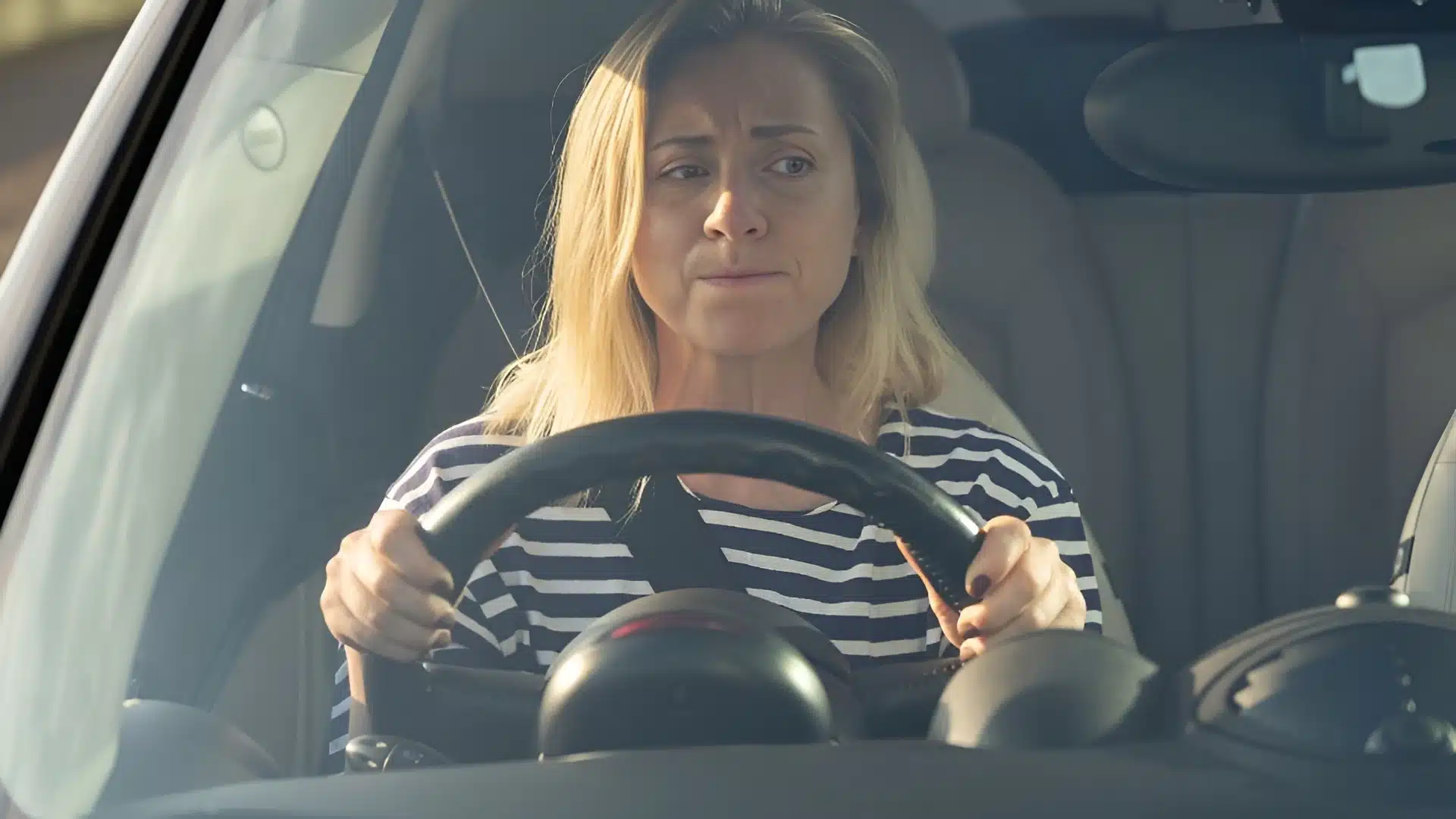
Every learner develops confidence differently, and nervous drivers often benefit from a more gradual approach.
Rather than rushing through skills, lessons can focus on building small successes that encourage confidence over time. Starting on quieter roads and gradually introducing more challenging situations helps learners feel in control throughout the process.
Key principles for nervous driver training include:
Creating a positive learning experience helps reduce anxiety and makes driving feel more achievable.
Warwick provides a variety of roads that are well suited to confidence-building lessons.
Many learners begin in quieter residential areas before moving towards busier locations as their confidence grows. This allows new drivers to develop essential skills without immediately facing overwhelming traffic conditions.
Local experience also helps learners become familiar with everyday journeys they may need to complete independently in the future.
Understanding nearby roundabouts, town-centre traffic patterns, and common routes around Warwick contributes to greater comfort behind the wheel.
The goal is to build genuine confidence rather than temporary reassurance.

Some nervous drivers have experienced setbacks during earlier lessons or have not driven for many years because of anxiety.
A learner in Warwick recently returned to driving after stopping lessons several years earlier. Previous experiences had left them worried about busy junctions and making mistakes in traffic. Initial sessions focused on simple routes and developing confidence with vehicle control before gradually introducing more challenging environments.
Over time, the learner began completing journeys independently and preparing for their practical test with far greater confidence than they originally thought possible.
Experiences like this demonstrate that nervousness does not prevent someone from becoming a safe and capable driver.
Confidence rarely appears overnight.
Most nervous drivers experience progress through small victories that gradually change their perception of driving. Successfully navigating a roundabout, parking independently, or completing a familiar route can provide important reassurance and motivation.
These achievements create a foundation for tackling more challenging situations later on.
Important confidence-building areas include:
By recognising progress rather than focusing on mistakes, learners often discover that driving becomes far less intimidating over time.
The environment during lessons plays a major role in reducing anxiety.
Learners should feel comfortable asking questions, repeating exercises, and taking the time needed to understand new concepts. Pressure to keep pace with others can increase nervousness and make learning more difficult.
Supportive instruction focuses on encouragement, clear explanations, and practical solutions rather than criticism.
Many people who once considered themselves incapable of driving eventually become confident motorists because they learned in an environment that respected their individual needs.
Learning to drive often creates opportunities that extend far beyond transportation.
Being able to travel independently can improve employment options, social activities, family responsibilities, and overall quality of life. For nervous learners, gaining that independence can feel particularly rewarding because it represents overcoming a challenge that once seemed impossible.
The journey towards confidence may take time, but steady progress often produces lasting results.
Developing safe driving habits and practical experience helps ensure that confidence continues to grow long after lessons have ended.
If anxiety or a lack of confidence has prevented you from learning to drive, nervous driver lessons in Warwick can provide a supportive and practical starting point.
There is no expectation to learn at the same pace as anyone else. Instead, lessons focus on helping you feel comfortable, capable, and prepared for real-world driving situations.
At Drive With Issy, nervous drivers are encouraged to build confidence gradually, creating positive experiences that lead to safer and more independent driving in the future.
Yes. Many nervous learners start with no previous driving experience and benefit from lessons tailored to their confidence levels.
For many people, automatic vehicles make learning easier because there is no need to manage clutch control or gear changes.
Every learner is different. Confidence develops gradually through regular practice and positive driving experiences.
Absolutely. Many nervous drivers return to lessons after a long break and successfully regain confidence behind the wheel.
No. Lessons should always move at a pace that feels comfortable and manageable for the individual learner.


